


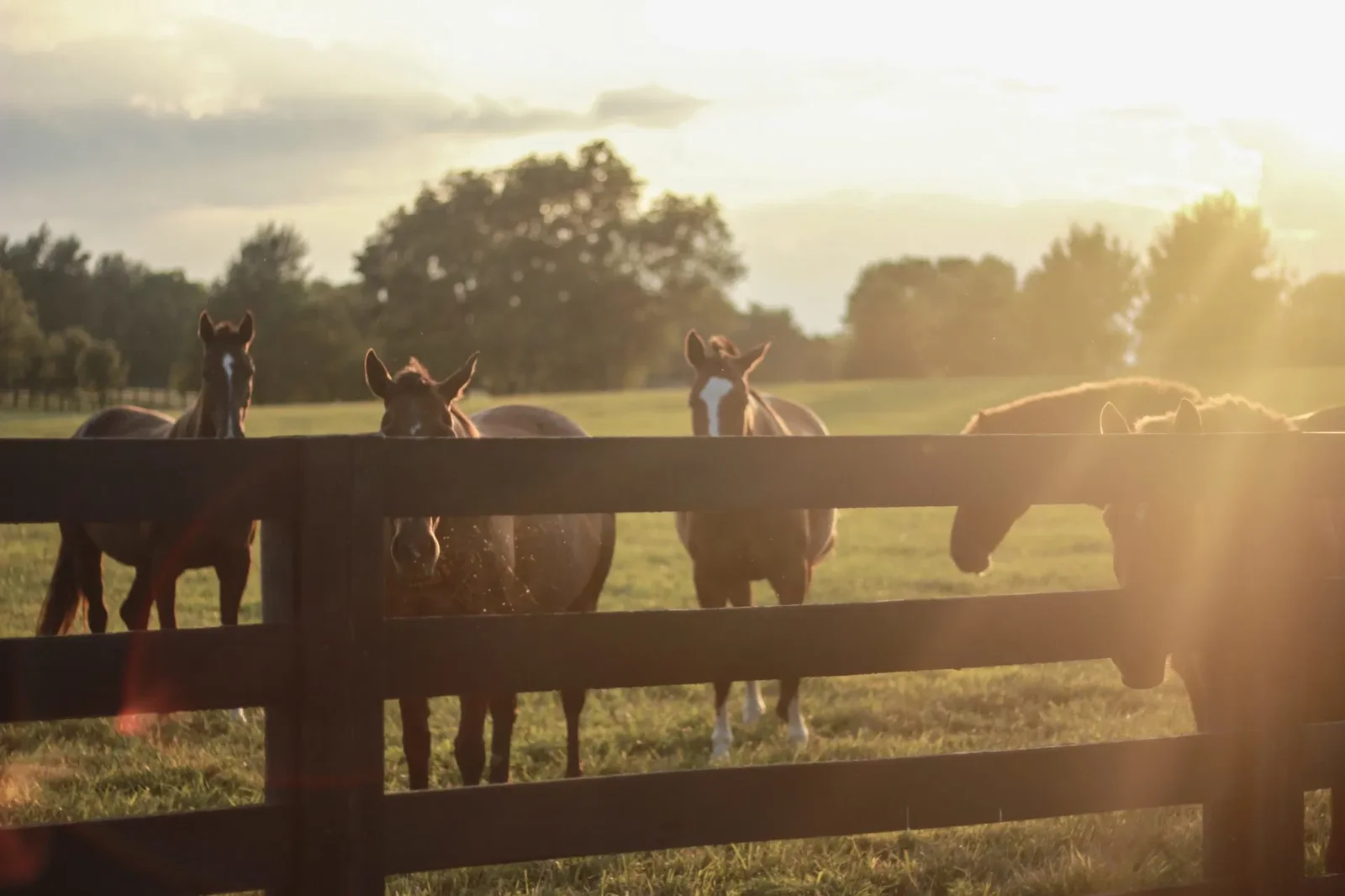
It may have just turned from winter to spring, warming up the weather and the flowers blooming outside. Still, it is never too early to start summer-proofing your barn and yard, especially if you have older horses or might be more susceptible to the heat!
De-Clutter – Spring is the perfect time for cleaning and getting your barn ready for the summer since it isn’t too hot yet, and you won’t get heatstroke just from stepping outside. Focus on de-cluttering the barn as you pack your winter blankets and put away your summer gear. Collect any goods you won’t use again and sell them online or donate them to a local horse rescue or program. Invest in some organization methods, such as extra hooks, blanket racks, and plastic totes, if your barn aisle or tack room are disorganized and messy. The more stuff you can move out of your barn aisle, the less likely a horse will become tangled up in something.
Check All Water Resources – Water is one of the essential resources to keep on top of when it comes to horses, apart from feed and tack. Take a day to inspect all of your property’s water sources. This activity includes cleaning buckets, troughs, and automatic waterers and making sure there are no leaks anywhere. Apple cider vinegar is a quick and easy way to help remove any algae that have begun to grow. Don’t forget to pay attention to downspouts and gutters as well. Clean out your gutters and ensure your downspouts are properly draining water away from your home or business. After the strain of a long winter, you may need to alter your drainage, so check these items after heavy rain.
De-Shed and Rug Check – Now that the weather is getting warmer, it’s time to break out the shedding blade and assist rid your horse of the old hair. Always brush your hair in the direction it grows. Take extra caution around the horse’s bony areas, such as the legs and head. Your horse may require extra rugging until the weather warms up if it’s still cold at night without the protection of a winter coat. The winter rugging process may usually be reversed, with lighter and lighter rugs becoming available as the days progress. This time can also be used to inspect fly sheets and masks for any necessary repairs. Don’t forget to wash your rugs once you’ve finished using them for the year before storing them for the fall.
Take Feed Needs Into Account – Some horses’ weight fluctuates during the winter, but most will need a little more to their diet come spring and summer. This statement is especially true once you start riding and they start doing work again. Whether your horse requires more or fewer calories during the summer months, you may need to change your horse’s diet in either direction. If you’re unsure about your goals or feed amounts, your veterinarian or nutritionist can help. Changes in turnout time and grazing should be considered when adjusting hay or grass consumption. Summer offers abundant pastures for some, while it brings parched fields and more feeding from the bale for others.
Check Your Hay and Storage – Take some time early on to clean out your hayloft or hay storage space before bringing in a new load of fresh-cut hay. Pull up all pallets and remove any hay that has fallen behind them; this will improve air circulation and help prevent mold. Place all of your remaining hay in one location so it can be quickly mixed in with new hay. This cleanup is a hefty job, but it will help keep your horses healthier by reducing dust and mold.
Restock Your First Aid Kit – Where are your bandages? Is your first aid kit handy, or do you even own one? Now is a great time to stock up or go over your first-aid kits, including the ones in your barn, trailer, or vehicle. Make a list of everything you need and place an order for whatever you don’t have. Check the expiration dates on all drugs and ointments, and replace any that are no longer effective.
Spring has arrived, and there’s plenty you can do to keep organized and prepare for summer. Check your fence lines and troughs, clean and reorganize the tack room, sort your riding clothes, or making sure your emergency strategy are in place. I hope these tips helped, and as always check out the rest of the blog for more horse and local area info!
Thinking of buying or selling real estate in the Fraser Valley? Let’s talk!