



Creating sustainable systems – the heart of permaculture, or “permanent agriculture” – might just be the thing that can restore our planet. However, if that is ever to become a reality, the next generation must be our main focus. Teaching kids how their choices impact our earth and ultimately, how they can be drivers of environmental change is a powerful lesson.
So how can we teach kids to design systems in a generative, holistic, and ethical matter? How do we instill the core principles of permaculture – drawing patterns from nature, limiting consumption and pollution, and caring for the planet as well as its people – in them?
While it is true that most young children will not immediately grasp the full concept of sustainability, getting them into the habit of practicing its values is easier than you might imagine. When you break it down into kid-friendly lifestyle changes, activities, and lessons, teaching kids about permaculture is a totally accomplishable feat.
Read on to learn more.
So how can we teach kids to design systems in a generative, holistic, and ethical matter? How do we instill the core principles of permaculture – drawing patterns from nature, limiting consumption and pollution, and caring for the planet as well as its people – in them?
While it is true that most young children will not immediately grasp the full concept of sustainability, getting them into the habit of practicing its values is easier than you might imagine. When you break it down into kid-friendly lifestyle changes, activities, and lessons, teaching kids about permaculture is a totally accomplishable feat.
Read on to learn more.
How To Teach Kids About Permaculture and Sustainability
Step 1: Start with Curiosity (Observation and Awareness)
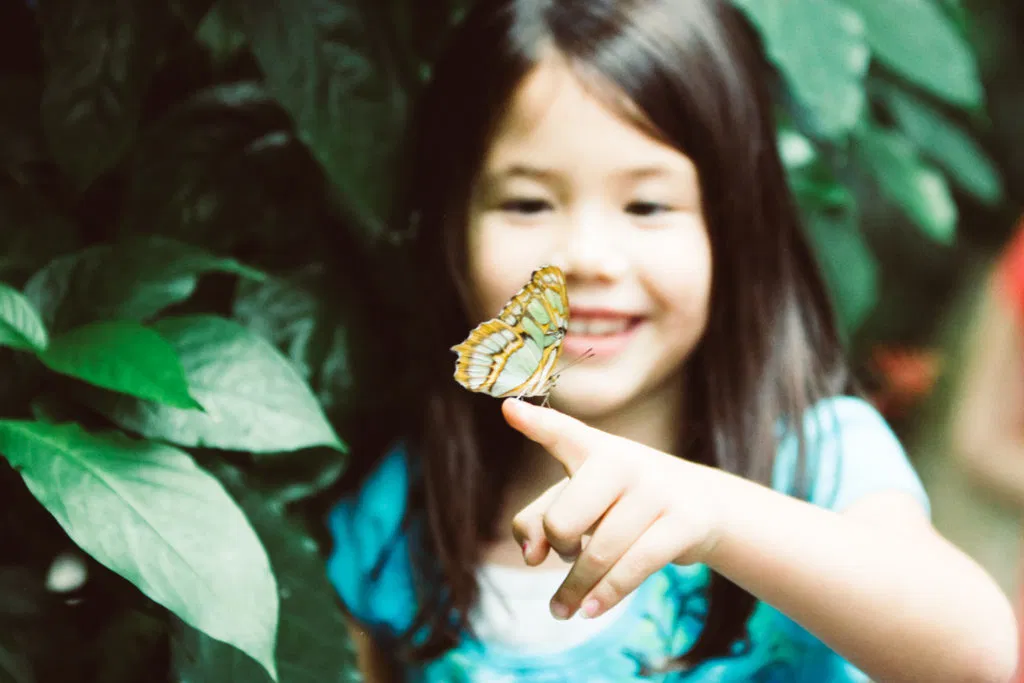
As eager as your kids may be to try out the fun activities, it’s important to have them observe first.
Before interacting with the environment and creating solutions, remember that permaculture is about implementing systems that mimic those found in nature. To do this, kids have to be informed and aware of what’s happening. Start off by sparking curiosity and generating awareness about the natural world. Plan ‘field trips’ to parks and trails, natural science museums, farms, and WOOFING sites to get children exploring.
Tip: Especially in an age of technology, fast-paced games, and hyper-stimulation, you may have to teach kids to harness their focus and attention. Help them slow down by incorporating mindfulness and meditation practices.
The better children learn to be in tune with their environment, the more they will absorb the activities and experiences they are involved in!
Of course, you probably won’t be able to experience all of these directly. Supplement learning with educational resources such as books, magazines, documentaries, Youtube videos, and news sites tailored to kids.
In addition, get kids used to documenting and sharing their observations, thoughts, and questions. This can be in the form of journals, reports, drawings, photos, notes, and discussions. You can also encourage them to reinforce what they’ve learned by having them explain it to their friends or back to you for feedback.
The most important thing is to make the kids’ learning engaging and to reward them for their participation early on. Doing this will keep them motivated and continue to grow their interest in permaculture.
Before interacting with the environment and creating solutions, remember that permaculture is about implementing systems that mimic those found in nature. To do this, kids have to be informed and aware of what’s happening. Start off by sparking curiosity and generating awareness about the natural world. Plan ‘field trips’ to parks and trails, natural science museums, farms, and WOOFING sites to get children exploring.
Tip: Especially in an age of technology, fast-paced games, and hyper-stimulation, you may have to teach kids to harness their focus and attention. Help them slow down by incorporating mindfulness and meditation practices.
The better children learn to be in tune with their environment, the more they will absorb the activities and experiences they are involved in!
Of course, you probably won’t be able to experience all of these directly. Supplement learning with educational resources such as books, magazines, documentaries, Youtube videos, and news sites tailored to kids.
In addition, get kids used to documenting and sharing their observations, thoughts, and questions. This can be in the form of journals, reports, drawings, photos, notes, and discussions. You can also encourage them to reinforce what they’ve learned by having them explain it to their friends or back to you for feedback.
The most important thing is to make the kids’ learning engaging and to reward them for their participation early on. Doing this will keep them motivated and continue to grow their interest in permaculture.
Step 2: Get Their Hands Dirty (Skills and Activities)
Now is where the fun part begins. Once kids understand more about sustainability, they’re ready to get their hands dirty with cool projects and activities! Here’s a list of things to get you started:
Gardening
Recycling
Composting
demonstrate the natural decaying process and how it’s beneficial for plants.
- Animal/Pet Care
- Collecting Rainwater
- Experiments
- Go Outdoors
- Clean-up
- DIY Resources
Tip: Don’t hesitate to get take suggestions and ideas from your kids – it encourages their creative thinking skills. (And it might give you a laugh at what they come up with!)
Step 3: Be an Example (Incorporate Lifestyle Changes)
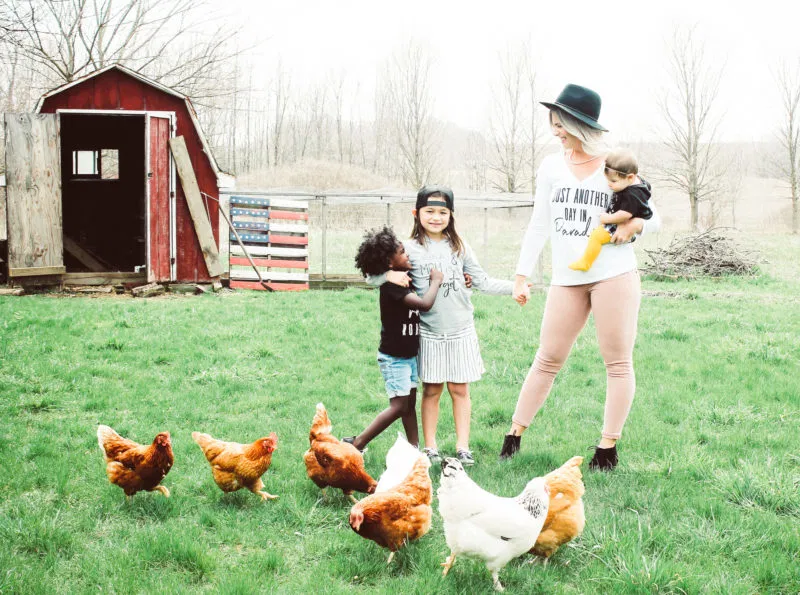
Kids naturally pick up what their role models around them are doing, so set an example by incorporating lifestyle changes that align with permaculture values.
Which everyday habits help contribute to these goals?
For instance, adopt practices like minimalism to reduce excess consumption and zero waste tp minimize pollutants. Or consider making more mindful purchases and shopping for ethically-sourced and fair trade goods.
Create a plan that will help both you and your kids integrate sustainability consistently, then improve upon it as you go along.
By doing so, each responsible choice you make teaches these principles to your kids – making it that much easier to raise a future eco-conscious generation.
Teaching kids about sustainability not only improves the world around us but them as well.
If we focus on the three core ethics – 1) Limit pollutants and waste 2) care for the planet, and 3) care for people – that goal will be reached.
Along the way, we cultivate a generation who are environmentally aware, problem-solvers, and equipped to create lasting change. And if permaculture is all about designing generative, eco-friendly systems and solutions, then who knows? Our kids might be the ones to save the planet after all!
Which everyday habits help contribute to these goals?
For instance, adopt practices like minimalism to reduce excess consumption and zero waste tp minimize pollutants. Or consider making more mindful purchases and shopping for ethically-sourced and fair trade goods.
Create a plan that will help both you and your kids integrate sustainability consistently, then improve upon it as you go along.
By doing so, each responsible choice you make teaches these principles to your kids – making it that much easier to raise a future eco-conscious generation.
Teaching kids about sustainability not only improves the world around us but them as well.
If we focus on the three core ethics – 1) Limit pollutants and waste 2) care for the planet, and 3) care for people – that goal will be reached.
Along the way, we cultivate a generation who are environmentally aware, problem-solvers, and equipped to create lasting change. And if permaculture is all about designing generative, eco-friendly systems and solutions, then who knows? Our kids might be the ones to save the planet after all!